
The Writings of Saint Polycarp of Smyrna
Trouble with your digital download? Email theologianspress@gmail.com and we'll sort it out.
Description
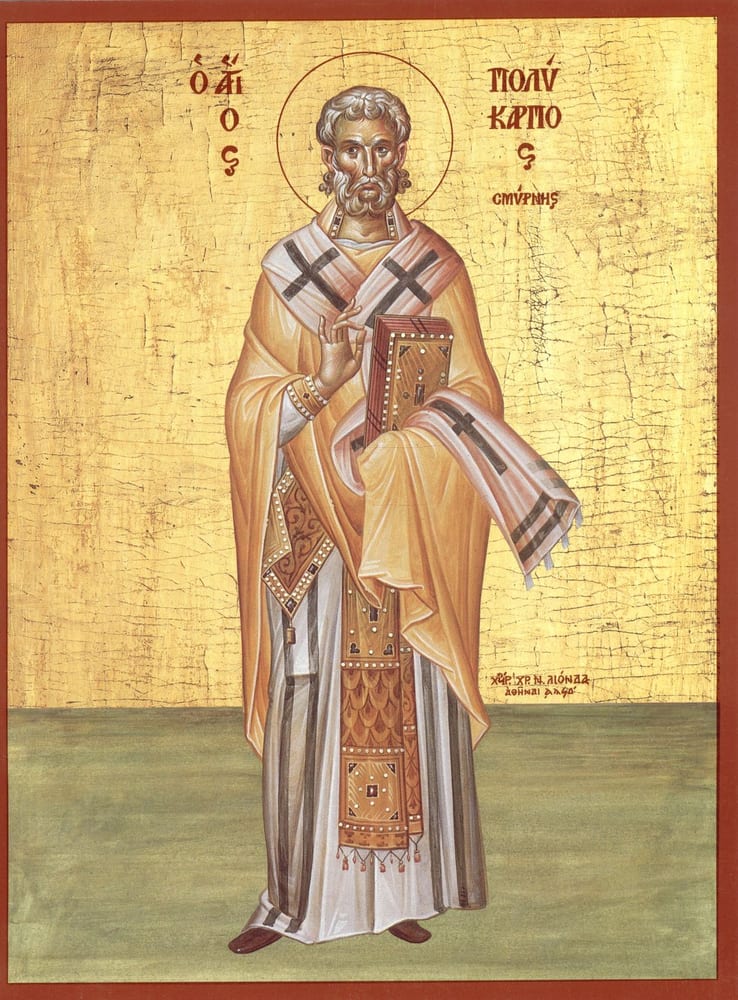
Bound and led into a roaring stadium at the age of eighty-six, Saint Polycarp of Smyrna refused to renounce Christ even as the flames were kindled around him.
This modern translation retranslates the authoritative Ante-Nicene Fathers text against the Greek critical edition of Kirsopp Lake, correcting dozens of departures from the original while modernizing the diction into clear, contemporary American English. Editorial footnotes throughout provide translation notes and much needed context.
This book contains Polycarp's only surviving letter, the Epistle to the Philippians, and the Martyrdom of Polycarp, together with the additional ending preserved in the Moscow manuscript tradition. A glossary, an index of scriptural references, and an index of apologetic topics with citations.
Saint Polycarp of Smyrna stands as one of the most vital links between the apostles and the generations that followed them being a disciple of Saint John the Evangelist himself, and a bishop whose martyrdom the early Church treated as a pattern of the gospel. The themes of this book include apostolic succession, the threefold ministry of bishop, presbyter, and deacon, the veneration of relics and the origin of feast days, the confrontation with Marcion and early Docetism, and the harmony of grace and works, making this book a go-to for apologetics across Orthodox, Catholic, and traditional Protestant traditions.
"For eighty-six years I have been his servant, and he has done me no wrong. How, then, can I blaspheme my King, who saved me?"
The Writings of Saint Polycarp of Smyrna
First Edition
Compiled, translated, and edited by Tyler Rhain Holliday
Published by Theologians Press
Copyright © 2026 Tyler Rhain Holliday. All rights reserved.
The translation, preface, editorial notes, glossary, and all original content are the intellectual property of Tyler Rhain Holliday. No part of this publication may be reproduced, distributed, or transmitted in any form or by any means without the prior written permission of the publisher, except as permitted by copyright law.
First Edition, 2026
Preface
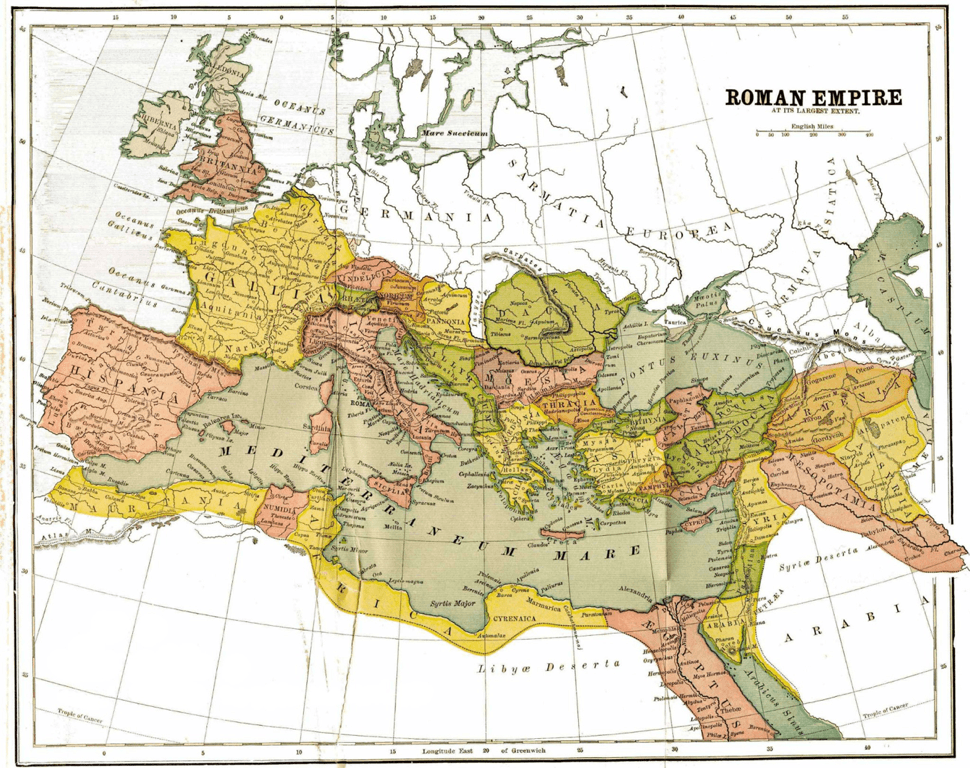
This edition of The Writings of Saint Polycarp of Smyrna gives a revised modern translation of both the Epistle to the Philippians and the Martyrdom of Polycarp. It takes the public-domain English version of the Ante-Nicene Fathers, Volume 1, as its starting point and thoroughly retranslates it with the authoritative Greek critical edition of Kirsopp Lake. This volume contains the Epistle to the Philippians and the Martyrdom of Polycarp, together with the additional ending in the Moscow manuscript tradition. It also includes translation notes, a glossary, indexes of biblical references and apologetic topics with citations, and a historical map of the Roman Empire during the lifetime of Saint Polycarp. May the Lord Jesus Christ grant us the discernment needed to be the servants he requires, both now and ever, unto ages of ages. Amen.
Introduction
St. Polycarp of Smyrna (c. 69-155 AD) stands as a vital link between the apostolic generation and the generations after. Ordained by St. Boukolos, the first bishop of Smyrna, Polycarp is described as a disciple of St. John the Evangelist by St. Irenaeus of Lyons who knew Polycarp personally. In addition to that, Polycarp carried within his own memory direct contact with those who had seen Christ. Further evidence of his relation to the apostolic circle includes his correspondence with St. Ignatius of Antioch as well as his visit to Rome, where he and Pope Anicetus discussed their differing customs for observing Pascha and parted in peace.
The Epistle to the Philippians is Polycarp's only surviving letter. Nevertheless, it is one of the oldest and most important testimonies of the faith and life of the Church of the second century. Filled with direct quotes and allusions to the New Testament dozens of times over, the epistle gives a glimpse into the mind of the bishop whose concerns were perseverance, humility, holiness, and confession of Christ. Therefore, it is a testimony of the remarkable continuity between the apostolic writings and their successors.
The Martyrdom of Polycarp possesses a similar importance. Written shortly after Polycarp's death, it is considered one of the oldest surviving accounts of the Christian martyrs apart from the New Testament. The text describes Polycarp's last confession before the Roman officials, his firm refusal to deny Christ and the honor in which the early Christians held the martyrs. It even preserves one of the earliest records of the faithful gathering a martyr's relics for veneration and celebrating the day of his death with an annual commemoration that we still keep on the same date to this very day. Perhaps, no other words can describe the life of Polycarp as accurately as his words said before the execution:
"For eighty-six years I have been his servant, and he has done me no wrong. How, then, can I blaspheme my King, who saved me?"
Epistle of Polycarp to the Philippians
Greeting
Polycarp and the presbyters with him, to the Church of God sojourning at Philippi: may mercy and peace from God Almighty and Jesus Christ our Savior be multiplied to you.
Chapter 1. Praise of the Philippians
I rejoiced with you greatly in our Lord Jesus Christ, because you welcomed the images of true love and sent on their way, as was fitting for you, those bound in chains that befit saints — chains that are indeed the crowns of those truly chosen by God and our Lord; and because the firm root of your faith, proclaimed since ancient times,1 endures to this day and bears fruit for our Lord Jesus Christ, who endured even to face death for our sins, whom God raised, loosing the pangs of Hades; in whom, though you have not seen him, you believe with joy inexpressible and full of glory2 — a joy into which many long to enter — knowing that you are saved by grace, not by works,3 but by the will of God through Jesus Christ.
Chapter 2. An Exhortation to Virtue
Therefore, making yourselves ready,4,5 serve God in fear and truth, having abandoned empty talk and the error of the crowd, and having believed in him who raised our Lord Jesus Christ from the dead and gave him glory6 and a throne at his right hand,7 to whom all things in heaven and on earth were made subject,8 to whom every living breath renders worship, who comes as judge of the living and the dead,9 whose blood God will require from those who disobey him. But he who raised him from the dead will also raise us, if we do his will and walk in his commandments and love what he loved, keeping ourselves from all injustice, greed, love of money, slander, and false witness — not repaying evil for evil, or reviling for reviling,10 or blow for blow, or curse for curse — but remembering what the Lord said in his teaching: "Judge not, that you may not be judged;11,12 with the measure you use, it will be measured back to you";13,14 and, "Blessed are the poor, and those persecuted for righteousness' sake, for theirs is the kingdom of God."
Chapter 3. Polycarp's Modesty
I write you these things, brothers, about righteousness not on my own initiative, but because you invited me to do so. For neither I nor anyone like me can attain to the wisdom15 of the blessed and glorious Paul, who, when he was among you, taught the word of truth accurately and reliably to the people of that time, face to face, and who also, when absent, wrote you letters.1 If you study them closely, you will be able to be built up in the faith that has been given to you — faith, which is the mother of us all,16 when it is followed by hope and led onward by love for God and Christ and one's neighbor. For if anyone is inwardly possessed of these, he has fulfilled the commandment of righteousness; for whoever has love is far from all sin.
Chapter 4. Various Exhortations
The love of money is the beginning of all troubles.17 Knowing, then, that we brought nothing into the world and can carry nothing out of it,18 let us arm ourselves with the weapons of righteousness,19 and let us first teach ourselves to walk in the Lord's commandment, and then teach our wives to abide in the faith given to them, and in love and purity, cherishing their own husbands in all fidelity and loving all people equally in all self-control, and to raise their children in the training that comes from the fear of God. Teach the widows to be sound-minded in the faith of the Lord, interceding without ceasing20 for all people, staying far from all slander, backbiting, false witness, love of money, and every evil, knowing that they are God's altar, and that everything is examined for blemish, and that nothing escapes him — neither reasonings nor thoughts nor anything hidden in the heart.
Chapter 5. The Duties of Deacons, Young Men, and Virgins
Knowing, then, that God is not mocked,21 we ought to walk worthily of his commandment and glory. Likewise, deacons must be blameless before his righteousness, as servants of God and Christ and not of men — not slanderers, not double-tongued,22 not lovers of money, self-controlled in all things, compassionate, diligent, walking according to the truth of the Lord, who became the servant of all.23 If we please him in this present age, we will also receive the age to come, just as he promised us that he would raise us from the dead, and that if we live worthily of him, we will also reign together with him24 — if indeed we believe.
Likewise also the young men must be blameless in everything, caring above all for purity and reining themselves in from the desires that are in the world; for every desire wages war against the spirit,25 and neither the sexually immoral, nor the effeminate, nor men who lie with men will inherit the kingdom of God,26 nor will those who do improper things. Therefore it is necessary to abstain from all these, being subject to the presbyters and deacons as to God and Christ. The virgins must walk with a blameless and pure conscience.
Chapter 6. The Duties of Presbyters and Others
And the presbyters, too, must be compassionate, merciful to all, turning back those who have gone astray, visiting all the sick, not neglecting a widow or an orphan or a poor person, but always taking thought for what is good before God and men,27,28 abstaining from all wrath, favoritism, and unjust judgment, not quick to believe a report against anyone, not harsh in judgment, knowing that we are all debtors of sin. If, then, we ask the Lord to forgive us, we too ought to forgive;29 for we stand before the eyes of the Lord and God, and all of us must appear before the judgment seat of Christ,30,31 and each must give an account of himself. Let us, then, serve him with fear and all reverence, just as he himself commanded, and as did the apostles who preached the gospel to us, and the prophets who announced beforehand the coming of our Lord — being zealous for what is good, keeping ourselves from causes of stumbling, from false brothers, and from those who bear the name of the Lord in hypocrisy and lead empty-headed people astray.
Chapter 7. Beware the Docetists; Persevere in Prayer and Fasting
For everyone who does not confess that Jesus Christ has come in the flesh is antichrist;32 and whoever does not confess the testimony of the cross is of the devil; and whoever twists the sayings of the Lord to suit his own desires and says there is neither resurrection nor judgment — that man is the firstborn of Satan. 2Therefore, let us abandon the empty talk of the crowd and their false teachings, and turn back to the word delivered to us from33 the beginning, keeping sober for prayer34 and persevering in fastings, asking the all-seeing God in our petitions not to bring us into temptation,35 just as the Lord said: "The spirit indeed is willing,36 but the flesh is weak."37,38
Chapter 8. Persevere in Hope and Patience
Let us, then, without ceasing hold fast to our hope and to the pledge of our righteousness, who is Christ Jesus, who bore our sins in his own body on the tree,39 who committed no sin, and in whose mouth no deceit was found,40 but who endured everything for us, so that we might live in him.41 Let us, then, become imitators of his endurance, and if we suffer42,43 for his name's sake, let us glorify him; for he set us this example44 in himself, and this we have believed.
Chapter 9. Patience Commended
I urge, then, all of you to obey the word of righteousness and to practice all endurance, which you have also seen with your own eyes, not only in the blessed Ignatius and Zosimus and Rufus,3 but also in others from among yourselves, and in Paul himself and the rest of the apostles — being convinced that all these did not run in vain,45,46 but in faith and righteousness, and that they are with the Lord in the place that is due them, with whom they also suffered. For they did not love the present age, but him who died for us and was raised by God for our sake.
Chapter 10. An Exhortation to the Practice of Virtue
Stand fast, then, in these things, and follow the example of the Lord: firm and unshaken in faith, lovers of the brotherhood,47 loving one another, joined together in truth, anticipating one another in the meekness of the Lord, despising no one. When you are able to do good, do not delay, for almsgiving sets free from death.48,49 Be subject to one another,50 keeping your conduct blameless among the nations,51 so that from your good works you yourselves may receive praise and the Lord may not be blasphemed on your account. But woe to the one on whose account the name of the Lord is blasphemed!52 Teach, therefore, sobriety to everyone, that same sobriety in which you yourselves live.
Chapter 11. Grief Over Valens
I am deeply grieved for Valens4, who was once made a presbyter among you, because he so misunderstands the place that was given him. I warn you, then: abstain from all evil.53 But how can someone who cannot govern himself in these matters preach it to others? If anyone does not abstain from greed, he will be defiled by idolatry, and will be judged as one of the nations, who do not know the judgment of the Lord. Or do we not know that the saints will judge the world, as Paul teaches?54 But I have perceived nothing of the kind among you, nor heard of it — you, among whom the blessed Paul labored, and who are named at the beginning of his letter. For he boasts of you in all the churches which at that time alone had come to know the Lord; we, however, had not yet known him. I am deeply grieved, then, brothers, for him and for his wife; may the Lord grant them true repentance. Be sober-minded, then, yourselves in this matter too, and do not regard such people as enemies,55 but call them back as suffering and straying members, so that you may save your whole body. For in doing this you build up yourselves.56
Chapter 12. An Exhortation to Various Virtues
For I trust that you are well practiced in the Sacred Scriptures, and nothing is hidden from you; but this has not been granted to me. Only, as it is said in these Scriptures,5 "Be angry and do not sin," and, "Let not the sun go down on your anger."57 Blessed is the one who remembers this — which I believe is true of you. Now may God, the Father of our Lord Jesus Christ, and Jesus Christ himself, the Son of God, our everlasting High Priest, build you up in faith and truth and in all gentleness, without anger, and in patience, long-suffering, endurance, and purity; and may he grant you a share and a place among his saints, and to us with you, and to all who are under heaven who will believe in our Lord and God Jesus Christ and in his Father, who raised him from the dead.58 Pray for all the saints. Pray also for kings59 and rulers and leaders, and for those who persecute and hate you,60 and for the enemies of the cross, so that your fruit may be evident to all, and that you may be perfect in him.
Chapter 13. Concerning the Transmission of Letters
You, and Ignatius as well, wrote to me that if anyone should go to Syria, he should also carry along the letter from you. I will do this if I find a suitable time — either I myself, or the one I send to act as envoy on your behalf as well. The letters of Ignatius that were sent to us by him6, and any others that we had by us, we have sent to you, just as you requested; they are appended to this letter, and you will be able to benefit greatly from them, for they contain faith and endurance and every kind of edification that pertains to our Lord. And whatever more certain word you learn concerning Ignatius himself and those who are with him, let us know.
Chapter 14. Conclusion
I have written you these things by the hand of Crescens7, whom I commended to you a short while ago, and commend to you now. For he has lived among us without fault, and I believe he will do the same among you. You will also receive his sister as commended to you, when she comes to you. Be well in the Lord Jesus Christ, in grace, together with all who are yours. Amen.
Notes to Epistle of Polycarp to the Philippians
The Martyrdom of Polycarp
Greeting
The Church of God sojourning at Smyrna, to the Church of God sojourning in Philomelium, and to all the congregations of the holy and catholic Church8 in every place: may mercy, peace, and love from God the Father and our Lord Jesus Christ be multiplied.
Chapter 1. Occasion of This Letter
We write to you, brothers, an account of those who were martyred, and of the blessed Polycarp, who put an end to the persecution by sealing it, as it were, with his martyrdom. For almost everything that led up to it happened so that the Lord might show us once more, from above, a martyrdom that conforms to the gospel. For he waited to be handed over, just as the Lord also did, so that we too might become his imitators, looking not only to our own affairs but also to those of our neighbors. For it belongs to true and steadfast love to wish not only for oneself to be saved, but for all the brothers as well.
Chapter 2. The Wonderful Constancy of the Martyrs
Blessed and noble, then, are all the martyrdoms that took place according to the will of God; for it is right for us, who are more reverent than others, to ascribe the authority over all things to God. For who would not admire their nobility, their endurance, and their love for their Master? Some were so torn by the scourges that the structure of their flesh was visible all the way to the deep veins and arteries, and yet they endured it, so that even the bystanders felt pity and wept; but they themselves reached such a pitch of nobility that not one of them uttered a cry or a groan, showing us all that in that hour, under torture, the most noble martyrs of Christ were absent from the flesh — or rather, that the Lord was standing by and speaking with them. And giving heed to the grace of Christ, they despised the torments of this world, purchasing eternal life for the price of a single hour. To them the fire of their cruel torturers was cold, for they kept before their eyes their escape from that fire which is eternal and never quenched, and with the eyes of their heart they looked up to the good things reserved for those who endure — things which no eye has seen, no ear has heard, and which have not entered into the heart of man,61 but were shown by the Lord to them, since they were no longer men but had already become angels.9 Likewise also those condemned to the wild beasts endured terrible punishments, being made to lie on beds of sharp shells and being tormented with other varied kinds of torture, so that the tyrant might, if possible, turn them to denial through the persistence of the punishment; for the devil devised many things against them.
Chapter 3. The Constancy of Germanicus; the Death of Polycarp Is Demanded
But thanks be to God, for he did not prevail over all of them. For the most noble Germanicus10 strengthened the fearfulness of the others through the endurance that was in him, and he fought the beasts in a remarkable way. For when the proconsul wished to persuade him, urging him to have pity on his youth, he violently drew the beast toward himself, wanting to be released all the more quickly from their unjust and lawless life. At this, then, the whole crowd, marveling at the nobility of the God-loving and God-fearing race of the Christians, cried out: "Away with the atheists! Let Polycarp be sought out!"
Chapter 4. Quintus the Apostate
Now one man, named Quintus, a Phrygian who had recently arrived from Phrygia, lost heart when he saw the wild beasts. He was the one who had forced himself, and some others, to come forward of their own accord. The proconsul, after much entreaty, persuaded him to swear the oath and offer sacrifice. For this reason, then, brothers, we do not commend those who hand themselves over, since the gospel does not so teach.62
Chapter 5. The Departure and Vision of Polycarp
When the most admirable Polycarp first heard of it, he was not troubled, but wished to remain in the city. Most of those with him, however, urged him to withdraw quietly, and he withdrew to a small farm not far from the city, and stayed there with a few companions, doing nothing else, night and day, but praying for everyone and for the churches throughout the world, as was his custom. And while praying, three days before he was arrested, he fell into a trance and saw his pillow burning up in fire; and turning to those who were with him, he said: "I must be burned alive."
Chapter 6. Polycarp Is Betrayed
And as those who were searching for him persisted, he moved to another small farm, and immediately those searching for him arrived; and not finding him, they seized two young slaves, one of whom, under torture, confessed. For indeed it was impossible for him to remain hidden, since it was members of his own household who betrayed him. And the captain of the peace — allotted, as it happened, the very same name, being called Herod — was eager to bring him into the stadium, so that Polycarp might fulfill his own appointed lot by becoming a partaker of Christ, while those who betrayed him would undergo the punishment of Judas himself.
Chapter 7. Polycarp Is Found by His Pursuers
Having, then, the young slave in hand, the police and horsemen went out on the day of preparation about suppertime, with their usual weapons, hurrying along as if against a robber.63 Arriving late in the evening, they found him lying in an upper room of a certain house; and though he could still have gone off from there to another place, he was unwilling to do so, saying, "The will of God be done."64,65 So when he heard that they were there, he went down and spoke with them, while those present marveled at his age and his composure, and that there was such urgency to arrest so old a man. He immediately ordered that food and drink be set before them at that hour, as much as they wished, and asked of them one thing — that they grant him an hour to pray undisturbed. And when they had granted this, he stood and prayed, so full of the grace of God that for two hours he could not stop, and those listening were amazed, and many began to regret that they had come out against so godly an old man.
Chapter 8. Polycarp Is Brought into the City
When at last he ended his prayer, having remembered everyone he had ever come into contact with, small and great, famous and obscure, and the whole catholic Church throughout the world, the hour had come for him to leave; so they set him on a donkey and led him into the city, it being the day of the great Sabbath. And the captain of the peace, Herod, and his father Nicetes, met him, and taking him up into their carriage, sat beside him and tried to persuade him, saying: "What harm is there in saying, 'Caesar is Lord,' and offering sacrifice, and the rest that goes with it, and so saving yourself?" At first he gave them no answer; but when they persisted, he said, "I am not going to do what you advise me." So, failing to persuade him, they spoke harsh words to him and hastily threw him down, so that in getting down from the carriage he scraped his shin. But without turning around, as though nothing had happened to him, he went on eagerly and with haste, being led to the stadium, where the uproar was so great that no one could even be heard.
Chapter 9. Polycarp Refuses to Revile Christ
Now as Polycarp was entering the stadium, a voice came from heaven: "Be strong, Polycarp, and act like a man." No one saw the speaker, but our own people who were present heard the voice. And when he was finally brought forward, there was a great uproar among those who heard that Polycarp had been arrested. When he was brought forward, the proconsul asked him whether he was Polycarp; and when he confessed that he was, the proconsul tried to persuade him to deny it, saying, "Respect your age," and other such things as they are accustomed to say: "Swear by the fortune of Caesar; repent; say, 'Away with the atheists!'" But Polycarp, looking with a stern face at the whole crowd of lawless heathen gathered in the stadium, waved his hand at them, and groaning, looked up to heaven and said, "Away with the atheists!" But when the proconsul pressed him and said, "Swear, and I will release you; revile Christ," Polycarp said, "For eighty-six years I have been his servant, and he has done me no wrong. How, then, can I blaspheme my King, who saved me?"
Chapter 10. Polycarp Confesses Himself a Christian
But when he pressed him still further and said, "Swear by the fortune of Caesar," he answered, "If you vainly suppose that I will swear by the fortune of Caesar, as you say, and pretend not to know who I am, hear plainly: I am a Christian. And if you wish to learn the teaching of Christianity, set a day and listen." The proconsul said, "Persuade the people." Polycarp said, "You I would have thought worthy of an explanation, for we have been taught to render, as is fitting, honor to rulers and authorities appointed by God,66,67 so long as it does us no harm. But as for them, I do not consider them worthy that I should offer a defense to them."
Chapter 11. No Threats Have Any Effect on Polycarp
The proconsul said, "I have wild beasts; I will throw you to them, unless you repent." He said, "Call for them, for repentance from better to worse is not permitted us; but it is good to change from what is harsh to what is just." The proconsul said, "I will have you consumed by fire, since you scorn the wild beasts, unless you repent." Polycarp said, "You threaten with the fire that burns for an hour and after a little is quenched; for you do not know the fire of the coming judgment and of the eternal punishment reserved for the ungodly. But why do you delay? Bring on whatever you wish."
Chapter 12. Polycarp Is Sentenced to Be Burned
As he said these things and many others besides, he was filled with courage and joy, and his face was filled with grace, so that not only did he not collapse in dismay at what was said to him, but on the contrary the proconsul himself was astonished, and sent his herald to proclaim three times in the middle of the stadium, "Polycarp has confessed that he is a Christian." When this was said by the herald, the whole crowd of Gentiles and Jews living in Smyrna cried out with uncontrollable rage and a loud voice: "This is the teacher of Asia, the father of the Christians, the destroyer of our gods, who teaches many not to sacrifice or worship them!" Saying this, they shouted and asked Philip the Asiarch to release a lion against Polycarp. But he said it was not lawful for him to do so, since he had already closed the animal contests. Then they resolved to shout with one accord that Polycarp be burned alive. For the vision that had appeared to him concerning his pillow had to be fulfilled — when he saw it on fire while praying, and, turning to the faithful who were with him, said prophetically, "I must be burned alive."
Chapter 13. The Funeral Pile Is Prepared
This, then, took place with such speed — faster than it can be told — the crowds at once gathering wood and kindling from the workshops and the bathhouses, the Jews being especially eager, as is their custom, to assist in this. When the fire was ready, he took off all his outer garments and loosened his belt; he tried also to remove his sandals, though he had not been used to doing this himself before, since each of the faithful was always eager to be the first to touch his body — for on account of his good life, he had been adorned with every kind of honor even before his martyrdom. At once, then, the implements prepared for the fire were placed around him. And when they were about to nail him as well, he said, "Leave me as I am; for he who grants me to endure the fire will also grant me, even without the security of your nails, to remain in the fire unflinching."
Chapter 14. The Prayer of Polycarp
So they did not nail him but bound him instead. And with his hands behind him, bound like a distinguished ram taken from a great flock for sacrifice, made ready as an acceptable burnt offering to God, he looked up to heaven and said:
"O Lord God Almighty, Father of your beloved and blessed Servant Jesus Christ, through whom we have received the knowledge of you, God of angels and powers and of all creation, and of the whole race of the righteous who live before you — I bless you, for having counted me worthy of this day and this hour, to receive a portion among the number of your martyrs in the cup of your Christ, for the resurrection to eternal life of soul and body in the incorruption of the Holy Spirit. Among them may I be received before you today as a rich and acceptable sacrifice, just as you, the God who does not lie and who is true, have prepared beforehand, revealed, and now fulfilled. For this, and for all things, I praise you, I bless you, I glorify you, through the eternal and heavenly High Priest, Jesus Christ, your beloved Servant, through whom, with him and the Holy Spirit, be glory to you, both now and for the ages to come. Amen."
Chapter 15. Polycarp Is Not Harmed by the Fire
When he had offered up the "Amen" and finished his prayer, the men in charge of the fire lit it. And as a great flame blazed up, we, to whom it was given to see it, beheld a marvel — we who were also kept alive to report to the rest what took place. For the fire took the shape of a vaulted chamber, like a ship's sail filled with wind, and formed a wall around the body of the martyr; and he was in the middle not like burning flesh but like bread being baked, or like gold and silver glowing in a furnace. And indeed we caught such a fragrance that it was as if frankincense were smoking, or some other precious spice.
Chapter 16. Polycarp Is Pierced with a Dagger
At last, when the lawless men saw that his body could not be consumed by the fire, they ordered an executioner to go up and stab him with a dagger. When he did this, a dove came out, along with such a quantity of blood that it put out the fire, and the whole crowd marveled that there should be such a difference between the unbelievers and the elect — one of whom was this most admirable martyr Polycarp, who in our own times proved to be an apostolic and prophetic teacher, bishop of the catholic Church in Smyrna. For every word that came out of his mouth either has been fulfilled or will yet be fulfilled.
Chapter 17. The Christians Are Refused Polycarp's Body
But the envious and malicious and evil one, the adversary of the race of the righteous, seeing the greatness of his martyrdom and his blameless conduct from the very beginning, and that he had been crowned with the crown of immortality and had carried off a prize beyond dispute, took care that not even his poor body should be taken by us, though many desired to do this and to have a share in his holy flesh. So he put it into the mind of Nicetes, the father of Herod and brother of Alce, to petition the magistrate not to give up his body, "lest," he said, "they abandon the Crucified One and begin to worship this man instead." They said this at the urging and insistence of the Jews, who also kept watch as we were about to take him from the fire — not knowing that we will never be able to abandon the Christ who suffered for the salvation of the whole world of those who are saved, the blameless one on behalf of sinners, nor to worship anyone else. For him, since he is the Son of God, we worship, but the martyrs, as disciples and imitators of the Lord, we love as they deserve, on account of their unsurpassable devotion to their own King and Teacher. May it be granted to us also to become their companions and fellow disciples!
Chapter 18. The Body of Polycarp Is Burned
So the centurion, seeing the contentiousness raised by the Jews, set him in the middle and burned him, as is their custom. And so we later took up his bones, more precious than costly gems and more valuable than gold, and laid them to rest in a fitting place. There, as we are able, gathering together in gladness and joy, the Lord will grant us to celebrate the birthday of his martyrdom,11 both in memory of those who have already competed, and for the training and preparation of those who are yet to come.
Chapter 19. In Praise of the Martyr Polycarp
Such, then, is the account concerning the blessed Polycarp, who, though the twelfth to be martyred in Smyrna, counting those from Philadelphia as well, is remembered above all others, more than any other, so that he is spoken of by the pagans themselves in every place — not only as a distinguished teacher but also as an outstanding martyr, whose martyrdom all desire to imitate, since it took place in conformity with the gospel of Christ. Through his endurance he overcame the unjust ruler and so obtained the crown of immortality; and now, rejoicing together with the apostles and all the righteous, he glorifies God the Father Almighty, and blesses our Lord Jesus Christ, the Savior of our souls, the Pilot of our bodies, and the Shepherd of the catholic Church throughout the world.
Chapter 20. This Letter Is to Be Sent On to the Brothers
You, then, asked that these things be reported to you at greater length, but for now we have given you a summary account through our brother Marcion12. When you have learned these things, send this letter on to the brothers farther off as well, so that they too may glorify the Lord, who makes his choices from among his own servants. Now to him who is able to bring us all, by his grace and gift, into his heavenly kingdom through his only-begotten Servant Jesus Christ, be glory, honor, might, and majesty forever. Greet all the saints. Those who are with us greet you, as does Evaristus, who wrote this letter, together with his whole household.
Chapter 21. The Date of the Martyrdom
The blessed Polycarp was martyred on the second day of the month of Xanthicus, the seventh day before the Kalends of March, on a great Sabbath, at the eighth hour.13 He was arrested by Herod, when Philip of Tralles was high priest, and Statius Quadratus was proconsul, but Jesus Christ was reigning as King forever — to whom be glory, honor, majesty, and an eternal throne, from generation to generation. Amen.
Chapter 22. Final Greeting
We wish you good health, brothers, as you walk according to the word of the gospel of Jesus Christ; with whom be glory to God the Father and the Holy Spirit, for the salvation of his holy elect, just as the blessed Polycarp suffered martyrdom — following in whose footsteps may we too be found in the kingdom of Jesus Christ.
These things Gaius, who had also lived alongside Irenaeus, copied from the writings of Irenaeus, a disciple of Polycarp; and I, Socrates, wrote them at Corinth from the copies made by Gaius.
And I, Pionius, again wrote these things from the previously written copy, having searched them out — for the holy Polycarp made them known to me by a revelation, as I shall show in what follows — gathering them together when they had already almost faded away through the passage of time, so that the Lord Jesus Christ may gather me also, together with his elect, into his heavenly kingdom, to whom, with the Father and the Holy Spirit, be glory forever and ever. Amen.
Another Ending, Copied from the Moscow Manuscript
These things Gaius, who had also lived alongside Irenaeus, copied from the writings of Irenaeus, Irenaeus having been a disciple of the holy Polycarp. For this Irenaeus, who was in Rome at the time of the martyrdom of the bishop Polycarp, taught many; and many of his excellent and thoroughly sound writings are extant, in which he makes mention of Polycarp, saying that he learned from him. He also refuted every heresy quite ably, and handed down the rule of the Church, catholic and whole, just as he had received it from the saint.
He also relates this: that once, when Marcion — from whom those called Marcionites take their name — met the holy Polycarp and said, "Recognize us, Polycarp," Polycarp said to Marcion, "I recognize you — I recognize the firstborn of Satan."
It is also recorded in the writings of Irenaeus that on the very day and hour that Polycarp was martyred at Smyrna, Irenaeus, who was then in the city of Rome, heard a voice like a trumpet, saying, "Polycarp has been martyred."
From these writings of Irenaeus, then, as has already been said, Gaius made his copy, and from the copies of Gaius, Isocrates did so at Corinth. And I, Pionius, again wrote from the copies of Isocrates, having sought these things out according to a revelation of the holy Polycarp, gathering them together when they had already almost faded away through the passage of time, so that the Lord may gather me also together with his elect into his heavenly kingdom; to whom be glory, with the Father and the Son and the Holy Spirit, for ages of ages. Amen.
Notes to The Martyrdom of Polycarp
Translation Notes
Epistle to the Philippians
Greeting. The Greek reads simply "Jesus Christ our Savior." The traditional English word order, "our Savior Jesus Christ," has been dropped here to follow the Greek directly.
1.1 "welcomed the images of true love." ANF renders this "followed the example of true love." The Greek word is mimemata, "copies" or "likenesses," not the more general paradeigma, "example." Polycarp is commending the Philippians for something stronger than following a pattern. They reproduced true love themselves in how they received and escorted the martyrs passing through their city. "Images" keeps that stronger sense of imitation.
1.1 "chains that befit saints." The Greek hagioprepesin desmois is a profound coinage, "chains fitting for a saint," built from the same adjective root used elsewhere for things befitting holiness. The chains of the martyrs are then called crowns.
2.1 "to whom all things in heaven and on earth were made subject." Restored clause. The Greek reads hō hypetagē ta panta epourania kai epigeia, a clause echoing Philippians 2:10 and 1 Peter 3:22. It was inadvertently dropped from an earlier draft of this translation; footnote 8, referring to Philippians 2:10, belongs with this clause rather than with "a throne at his right hand."
5.3 "the sexually immoral, nor the effeminate, nor men who lie with men." The Greek lists three terms: pornoi, malakoi, arsenokoitai, echoing 1 Corinthians 6:9-10 almost word for word. ANF renders the last two "effeminate" and "abusers of themselves with mankind." This translation keeps "effeminate" for malakoi, literally "soft ones," as the plainest English equivalent. Arsenokoitai is rendered "men who lie with men," which mirrors how the Greek word itself was built, from Leviticus 18:22 and 20:13 LXX, "arsenos koiten." A single English word cannot capture that as directly.
Chapters 10-12, the end of 13, and all of 14: only in Latin. At this point in the manuscript tradition, a leaf was lost from the archetype behind every surviving Greek manuscript. Chapters 10 through 12, all of chapter 14, and the closing lines of chapter 13 survive only in an ancient Latin translation. They are missing from every Greek copy we have. This translation works from that Latin.
10.2 "almsgiving sets free from death." Eleemosyna de morte liberat is close to a direct quotation of Tobit 4:10 and 12:9 in the LXX and Vulgate, texts Polycarp plainly regarded as Scripture, as was common in the early Church. The line is kept close to the Latin.
12.2 "our everlasting High Priest." Sempiternus pontifex. Kept as in the older translations. This is one of the earliest applications of the Epistle to the Hebrews' high priestly Christology found outside the New Testament itself.
The Martyrdom of Polycarp
2.2 "beds of sharp shells." The Greek supplied for this translation reads kerykas, "heralds," at this point, which makes no sense in context, tormented upon heralds. This is a well-known corruption in the manuscript tradition. The correct and universally accepted reading is konchylais, "with sharp shells," describing martyrs made to lie on beds studded with sharp shells before being tortured further. This translation follows the standard critical text here, which is really what ANF's "beds full of spikes" was already gesturing toward.
3.1 "unjust and lawless life." The Greek breaks off mid-sentence here ("wanting more quickly... he wished"). The missing clause, describing Germanicus's eagerness to be released from "their unjust and lawless life," meaning the present age under a persecuting empire, is supplied from the standard critical text. ANF's "an unrighteous and impious world" reflects the same reading.
6.2 "the captain of the peace." Greek eirenarches, "peace ruler," a real municipal office in Roman Asia Minor charged with keeping public order and arresting criminals, roughly a chief of police. Herod, who holds this office here, is not the biblical King Herod.
8.2 "Caesar is Lord." Greek Kyrios Kaisar. This is rendered as a sentence, "Caesar is Lord," rather than a title, "Lord Caesar" as ANF has it, because the phrase is functioning here as a rival confession. It is the exact opposite of the Christian confession "Jesus is Lord," Kyrios Iesous.
9.3 "For eighty-six years I have been his servant." Kept as a literal count. Greek ogdoekonta kai hex ete, "eighty-six years." This is among the most important pieces of internal evidence for dating both Polycarp's birth and the year of his martyrdom, since it most likely counts either his whole life or his years since baptism. This is also used in apologetics to make the claim that he was baptized as an infant, but we simply do not know that.
11.1 "repentance from better to worse is not permitted us." The Greek is weird here, reading incoherently, "and it is good to be changed toward him: I will make you be consumed by fire..." The clause has been restored from the standard critical text, kalon de metatithesthai apo ton chalepon epi ta dikaia, "it is good to change from what is harsh to what is just," which is also the sense ANF's paraphrase was reaching for.
14. "your beloved and blessed Servant Jesus Christ" / "your beloved Servant." The Greek word is pais, not huios, "Son." ANF follows the KJV tradition and renders pais as "Son" throughout Polycarp's prayer. This translation renders it consistently as "Servant," capitalized as a title. Pais theou, "Servant of God," is the title used for Jesus in the earliest layer of Christian prayer and preaching outside the New Testament itself, in Acts 3:13, 3:26, 4:27, 4:30, and in the eucharistic prayers of the Didache, chapters 9 and 10, echoing the Servant Songs of Isaiah. Polycarp's own prayer keeps pais and huios distinct. He calls Jesus God's huios, "Son," in chapter 17.3, but uses pais here in his prayer at the stake. This translation keeps that same distinction instead of collapsing both words into "Son."
16.1 "a dove came out." Greek exelthen peristera. This clause is one of the most debated in the whole text. It is missing from Eusebius's fourth century quotation of this same passage in his Ecclesiastical History, book four, chapter fifteen, and many scholars regard it as a later scribal addition rather than part of the original account. It may have started as a marginal symbol for the martyr's departing soul that a later copyist folded into the body of the text. It is kept here because it stands in the Greek text used for this translation, but readers should know its authenticity is disputed.
20.1 "our brother Marcion." The Greek supplied here clearly reads Markionos, "Marcion," not "Marcus" as ANF has it. This Marcion, the messenger who carried the letter, has no connection to the heretic Marcion.
20.2 and 22.2 "only-begotten Servant Jesus Christ." Pais again, not huios. See the note on chapter 14 above.
21. "the seventh day before the Kalends of March." The Greek reads Martion, "of March," pro hepta kalandon Martion. ANF's "Kalends of May" looks like a misprint or a variant found in some later editions. It does not match the Greek given here, which places the martyrdom on February 23. The date, either 155 or 156, or on the alternative chronology tied to the proconsulship of Statius Quadratus, 167, is still debated among historians, but this translation follows its source text rather than the ANF reading.
22.2 "Socrates"; Appendix "Isocrates." The two ancient endings of the Martyrdom disagree on the name of the copyist at Corinth. The main ending calls him Socrates. The separately transmitted "Other Ending" from the Moscow manuscript calls him Isocrates.
Appendix, "Another Ending, Copied from the Moscow Manuscript." This closing material, including the famous exchange where Polycarp calls Marcion "the firstborn of Satan," and the report that Irenaeus in Rome heard a trumpet-like voice announcing Polycarp's death the moment it happened in Smyrna, survives independently of the main text and is attached only in the Moscow manuscript tradition.
Glossary
Antichrist
Epistle 7.1
(Greek ἀντίχριστος, antichristos; Strong's 500). Used by Polycarp for anyone who denies that Jesus Christ came in the flesh, directly from 1 John 4:3.
Asiarch
Martyrdom 12.2
(Greek Ἀσιάρχης, Asiarches). A leading civic official in the Roman province of Asia, from the wealthy elite, responsible for funding and overseeing the public games, including the beast-fights held in the stadium. Philip the Asiarch appears here refusing to release a lion against Polycarp because the games were already finished for the day.
Bishop
Martyrdom 16.2 etc.
(Greek ἐπίσκοπος, episkopos; Strong's 1985). The chief overseer of a local church, set over the presbyters and deacons. Polycarp himself is called "bishop of the catholic Church in Smyrna." This is the same order of bishop, presbyter, and deacon that Ignatius of Antioch defends so fiercely in his own letters, written just a few decades before Polycarp's, and it is the same order the Orthodox Church has today.
Catholic Church
Martyrdom, Greeting; 8.1; 16.2; 19.2
(Greek ἡ καθολικὴ ἐκκλησία, he katholike ekklesia). Literally "the whole" or "universal" Church. This is among the earliest surviving uses of the phrase "the Catholic Church" in Christian literature, alongside Ignatius's own use of it a generation earlier. The word refers to the whole Church spread throughout the world, and it long predates the Great Schism of 1054 A.D. After East and West divided, the Western Church came to use "Catholic" as its customary name, while the Orthodox Church continued to confess itself as catholic.
Deacon
Epistle 5.2-3
(Greek διάκονος, diakonos; Strong's 1249). An ordained minister of the local church, subordinate to the bishop and presbyters. Polycarp instructs the deacons of Philippi to be "not slanderers, not double-tongued, not lovers of money," the same qualifications Paul gives in 1 Timothy 3.
Docetist(s)
Epistle 7.1
(From Greek δοκεῖν, dokein, "to seem"). Those Polycarp condemns for denying that Christ truly came "in the flesh," saying instead that he only seemed to have a body and only seemed to suffer. Polycarp never uses the noun itself, but the heresy he is fighting here is the one later writers name Docetism. Ignatius of Antioch fought this same heresy in nearly the same words a generation earlier, which shows how widespread and how early this heresy had already become.
Firstborn of Satan
Epistle 7.1; Martyrdom, Appendix
Polycarp's own phrase for the worst kind of false teacher: one who denies the resurrection and the judgment, or who, like Marcion, rejects the God of Israel as the Father of Jesus Christ. This is a theological judgment.
Great Sabbath
Martyrdom 8.1; 21
Traditionally read as the Sabbath that fell during the week of the Jewish Passover, treated here as an especially sad day, though the exact meaning of the phrase in this text is debated among scholars, who have also proposed it reflects a Sabbath fixed by the local Asian calendar. Both Polycarp's arrest procession and his death took place on this day.
High Priest
Epistle 12.2 (Latin pontifex); Martyrdom 14.3
Applied to Christ in both documents. This draws on the Epistle to the Hebrews' portrait of Jesus as the one true and everlasting priest who offers the perfect sacrifice, extended here to describe Christ's role in receiving the sacrifice of the martyr's own life.
Irenarch
Martyrdom 6.2
(Greek εἰρηνάρχης, eirenarches, "peace-ruler"). A municipal peacekeeping magistrate in the cities of Roman Asia, responsible for pursuing and arresting those charged with crimes, roughly a chief of police. Rendered "captain of the peace." See the Translation Notes above.
Kalends
Martyrdom 21
The first day of the Roman month, from which earlier days were counted backward. "The seventh day before the Kalends of March" is the Roman way of naming February 23.
Marcionites
Martyrdom, Appendix
Followers of Marcion, an early heretic who taught that the God of the Old Testament was a different and lesser being than the Father of Jesus Christ, and who rejected the Old Testament along with much of the New.
Martyr / Martyrdom
Throughout
(Greek μάρτυς, martys; Strong's 3144). The word simply means "witness." By the time of Polycarp's death, it had already taken on its specifically Christian sense, one who witnesses to Christ by dying rather than deny him.
Presbyter
Epistle, Greeting; 6
(Greek πρεσβύτερος, presbyteros; Strong's 4245). An elder of the church, ranked below the bishop and above the deacons. Polycarp writes the Epistle jointly with "the presbyters" of Smyrna and gives them their own instructions in chapter 6. Orthodoxy continues this same structure: presbyters serve under their bishop, celebrate the Liturgy, hear confessions, and administer the sacraments, always in union with him.
Proconsul
Martyrdom 21
The Roman governor of a senatorial province such as Asia. Statius Quadratus, who condemns Polycarp to death, holds this office.
Xanthicus
Martyrdom 21
The name, in the local Greek calendar of the province of Asia, for a month roughly corresponding to March, used here alongside the Roman dating system.
Index of Scriptural References
- Philippians 1:5 ↩
- 1 Peter 1:8 ↩
- Ephesians 2:8-9 ↩
- 1 Peter 1:13 ↩
- Ephesians 6:14 ↩
- 1 Peter 1:21 ↩
- 1 Peter 3:22 ↩
- Philippians 2:10 ↩
- Acts 10:42 ↩
- 1 Peter 3:9 ↩
- Matthew 7:1 ↩
- Luke 6:37 ↩
- Matthew 7:2 ↩
- Luke 6:38 ↩
- 2 Peter 3:15 ↩
- Galatians 4:26 ↩
- 1 Timothy 6:10 ↩
- 1 Timothy 6:7 ↩
- 2 Corinthians 6:7 ↩
- 1 Thessalonians 5:17 ↩
- Galatians 6:7 ↩
- 1 Timothy 3:8 ↩
- Mark 9:35 ↩
- 2 Timothy 2:12 ↩
- 1 Peter 2:11 ↩
- 1 Corinthians 6:9-10 ↩
- Romans 12:17 ↩
- 2 Corinthians 8:21 ↩
- Matthew 6:12-14 ↩
- Romans 14:10-12 ↩
- 2 Corinthians 5:10 ↩
- 1 John 4:3 ↩
- Jude 3 ↩
- 1 Peter 4:7 ↩
- Matthew 6:13 ↩
- Matthew 26:41 ↩
- Matthew 26:41 ↩
- Mark 14:38 ↩
- 1 Peter 2:24 ↩
- 1 Peter 2:22 ↩
- 1 John 4:9 ↩
- Acts 5:41 ↩
- 1 Peter 4:16 ↩
- 1 Peter 2:21 ↩
- Philippians 2:16 ↩
- Galatians 2:2 ↩
- 1 Peter 2:17 ↩
- Tobit 4:10 ↩
- Tobit 12:9 ↩
- 1 Peter 5:5 ↩
- 1 Peter 2:12 ↩
- Isaiah 52:5 ↩
- 1 Thessalonians 5:22 ↩
- 1 Corinthians 6:2 ↩
- 2 Thessalonians 3:15 ↩
- 1 Corinthians 12:26 ↩
- Ephesians 4:26 ↩
- Galatians 1:1 ↩
- 1 Timothy 2:2 ↩
- Matthew 5:44 ↩
- 1 Corinthians 2:9 ↩
- Matthew 10:23 ↩
- Matthew 26:55 ↩
- Matthew 6:10 ↩
- Acts 21:14 ↩
- Romans 13:1-7 ↩
- Titus 3:1 ↩
Index of Apologetic Topics
The Threefold Ministry. Polycarp addresses deacons and presbyters as offices within the local church and gives separate instructions to young men and virgins. This shows an already-ordered church structure within a single generation of the apostles; the same structure Ignatius defends in his own letters and the same structure the Orthodox Church still holds. Epistle 5-6.
Christ Truly Came in the Flesh. Against those who denied the reality of Christ's human body, Polycarp declares that "everyone who does not confess that Jesus Christ has come in the flesh is antichrist." Epistle 7.
"Firstborn of Satan": Marcion and Heresy. Polycarp's rebuke to Marcion, "I recognize the firstborn of Satan," together with his condemnation in the Epistle of those who twist the Lord's sayings, shows that the post-apostolic generation named heretics openly. Doctrine was never treated as a matter of indifference in the early Church. Epistle 7; Martyrdom, Appendix.
The Letters of Ignatius as Authoritative and Edifying. Polycarp forwards the letters of Ignatius to the Philippians and commends them as containing "faith and endurance and every kind of edification." This is an early and direct window into how a fellow bishop's writings began to be collected, copied, and circulated among the churches as teaching documents in their own right. Epistle 13.
Martyrdom as Conformity to the Gospel. Polycarp's death is described as "a martyrdom that conforms to the gospel," reflecting Christ's own passion: he waits to be handed over, and he goes willingly to death. Martyrdom here is imitation of Christ. Martyrdom 1, 19.
The Church Does Not Encourage Seeking Out Martyrdom. The account draws a line between Polycarp's martyrdom and that of Quintus, who "forced himself" and others to come forward and then apostatized under pressure. The narrator states, "we do not commend those who hand themselves over, since the gospel does not so teach." Martyrdom 4.
Divine Providence in the Time and Manner of Polycarp's Death. Polycarp's vision of his pillow catching fire, and his declaration "I must be burned alive," shows it was foreknown and providentially ordered by God. Martyrdom 5, 12.
Relics: The Veneration of the Bones of the Saints. After Polycarp's death, the Christians of Smyrna gather up his bones, calling them "more precious than costly gems and more valuable than gold," and lay them to rest so the church can gather every year to celebrate the anniversary of his martyrdom. This is among the earliest evidence of venerating the physical remains of the saints and the first account of keeping feast days, a practice still very much alive in Orthodoxy. Martyrdom 18.
Bishop of the Catholic Church. Polycarp is said to be "bishop of the catholic Church in Smyrna," and the letter itself is addressed "to all the congregations of the holy and catholic Church in every place." This is an early example of both the monarchical episcopate and the use of the word "catholic" for the whole, universal Church, long before it became a denominational label. Martyrdom, Greeting; 16, 19.
The Eucharistic and Sacrificial Language of Martyrdom. In his final prayer Polycarp asks to be received "among the number of your martyrs in the cup of your Christ," and as "a rich and acceptable sacrifice." This language puts martyrdom directly with the Eucharistic cup and to Christ's own self-offering. Martyrdom 14.
Sexual Ethics. Polycarp instructs young men to guard their purity and teaches that "neither the sexually immoral nor the effeminate nor men who lie with men" will inherit the kingdom of God. Epistle 5.
Apostolic Succession, Not Just Apostolic Memory. Polycarp is a link in a chain of succession. Irenaeus states that he “learned from him,” and Polycarp himself was taught by the Apostle John, among the other apostles, according to Irenaeus’s later testimony. This is succession, a person-to-person teaching and “laying on of hands”. Epistle, Greeting; Martyrdom, Appendix.
Scripture and Tradition Held Together. Polycarp quotes Tobit (“almsgiving sets free from death”) as authoritative alongside the Gospels and Paul, decades before any council fixed a canon. The earliest post-apostolic generation already treats the Deuterocanon as Scripture, the Orthodox canon. Epistle 10.
Grace and Works Held Together. Chapter 1 declares believers “saved by grace, not by works,” yet the letter is otherwise wall-to-wall moral exhortation, with works assumed to matter for final judgment. The earliest Church did not read “grace not works” as excluding synergy with grace. Epistle 1–2, 4–6.
The Beginning of the Feast Calendar of the Saints. After gathering Polycarp's bones, the church at Smyrna resolves to “celebrate the birthday of his martyrdom” every year. This is the seed of the entire Orthodox liturgical calendar of saints' commemorations. Martyrdom 18.
Roman Empire in the Second Century
Presented by Theologians Press.